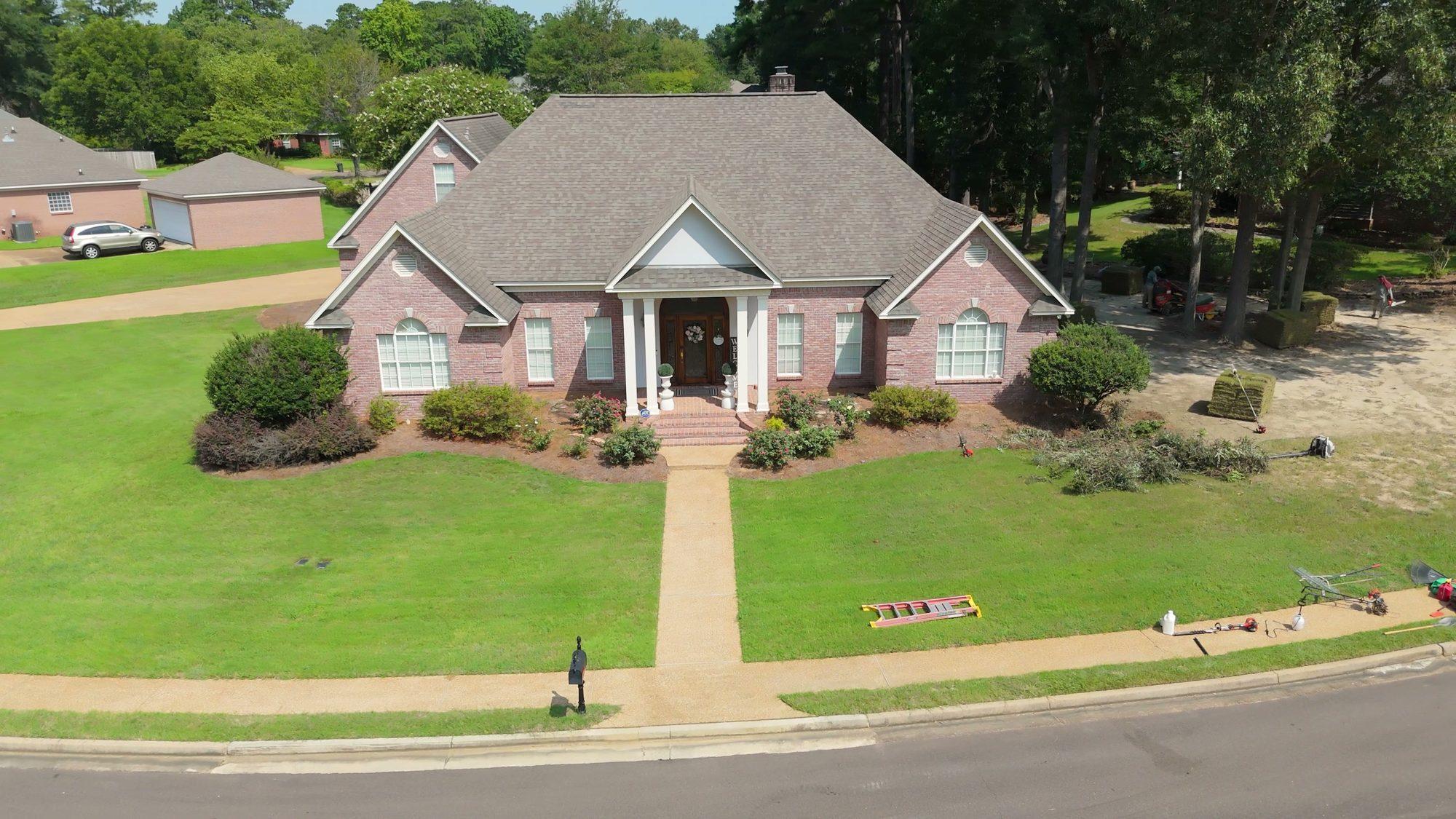
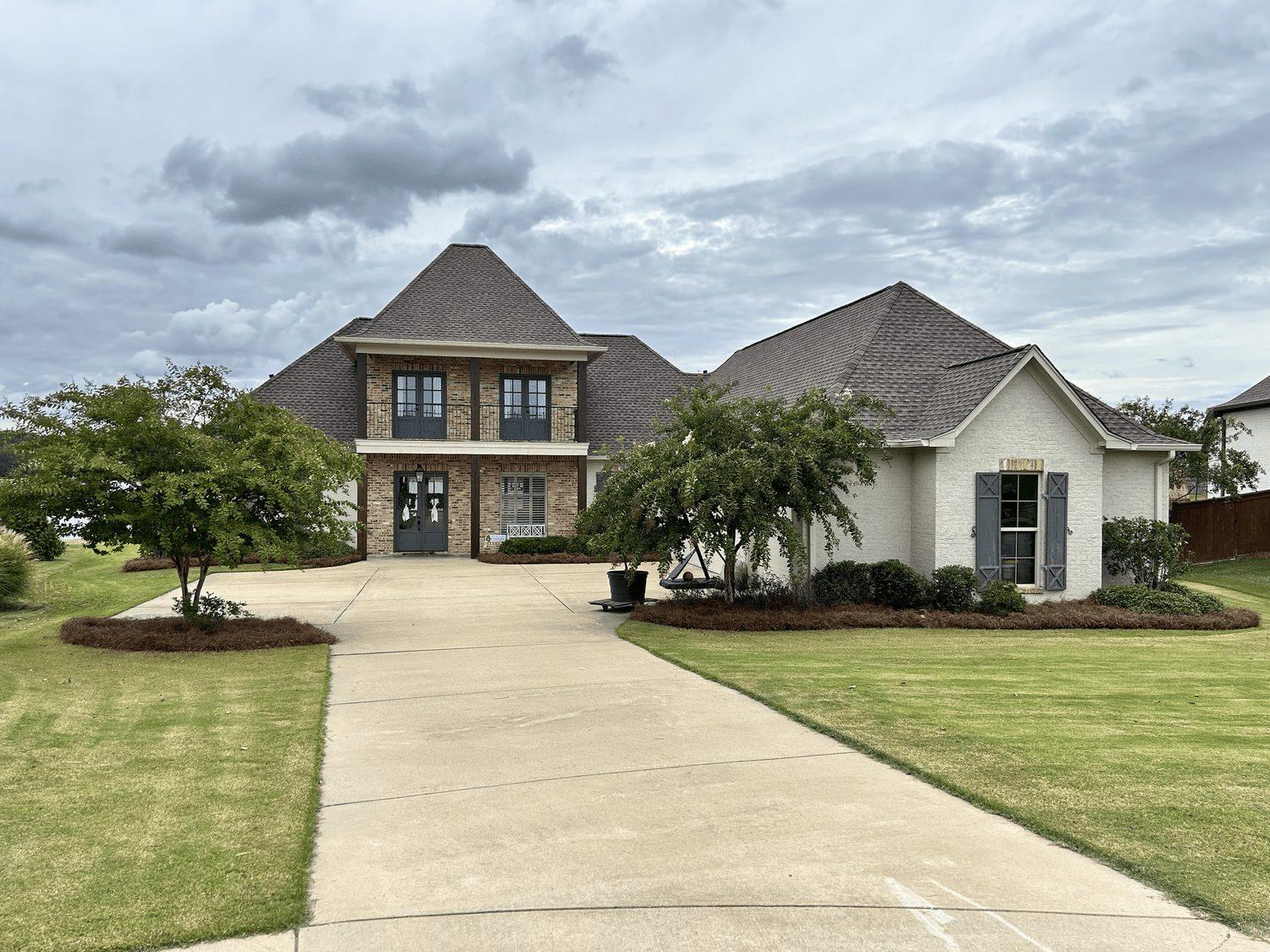
Hardscape has to be right underneath, because you can't fix a patio that heaves or a wall that leans without tearing it out. Call (601) 707-6661 for a free written estimate.
Why the base matters more here than most places
Madison County sits on Yazoo clay, one of the most expansive soils in the country. It swells when it's wet and shrinks when it's dry, and in a year with a wet spring and a dry August that movement is measured in inches. A patio laid on a couple of inches of sand over that clay will ripple within two seasons. A retaining wall with no drainage behind it will bow the first time the clay saturates.
So we over-build the base on purpose. For a paver patio that means excavating six to eight inches, more on soft ground, laying geotextile fabric so the clay can't pump up into the gravel, then compacting crushed limestone in lifts with a plate compactor until it doesn't move.
A one-inch bed of concrete sand goes on top, screeded flat with a slight fall away from the house. The pavers are laid tight, cut clean at the edges, held with a concrete or spike-in edge restraint, and locked with polymeric sand. That's the patio that's still level in ten years.
Paver patios and outdoor living
A good patio is built around how your family uses the back yard: a grill near the kitchen door, a table for eight, a fire pit off to the side with seating, and a clean walk from the driveway. We paint the shape on the ground before anything is dug, so you can walk it and move it.
You can go with concrete pavers in a range of colors and patterns, clay brick for an older home, or natural stone. We also build the details that finish it: a soldier-course border, a step down to the lawn, a low seat wall, lighting in the wall caps, and beds that soften the edges.
Walkways and front entries
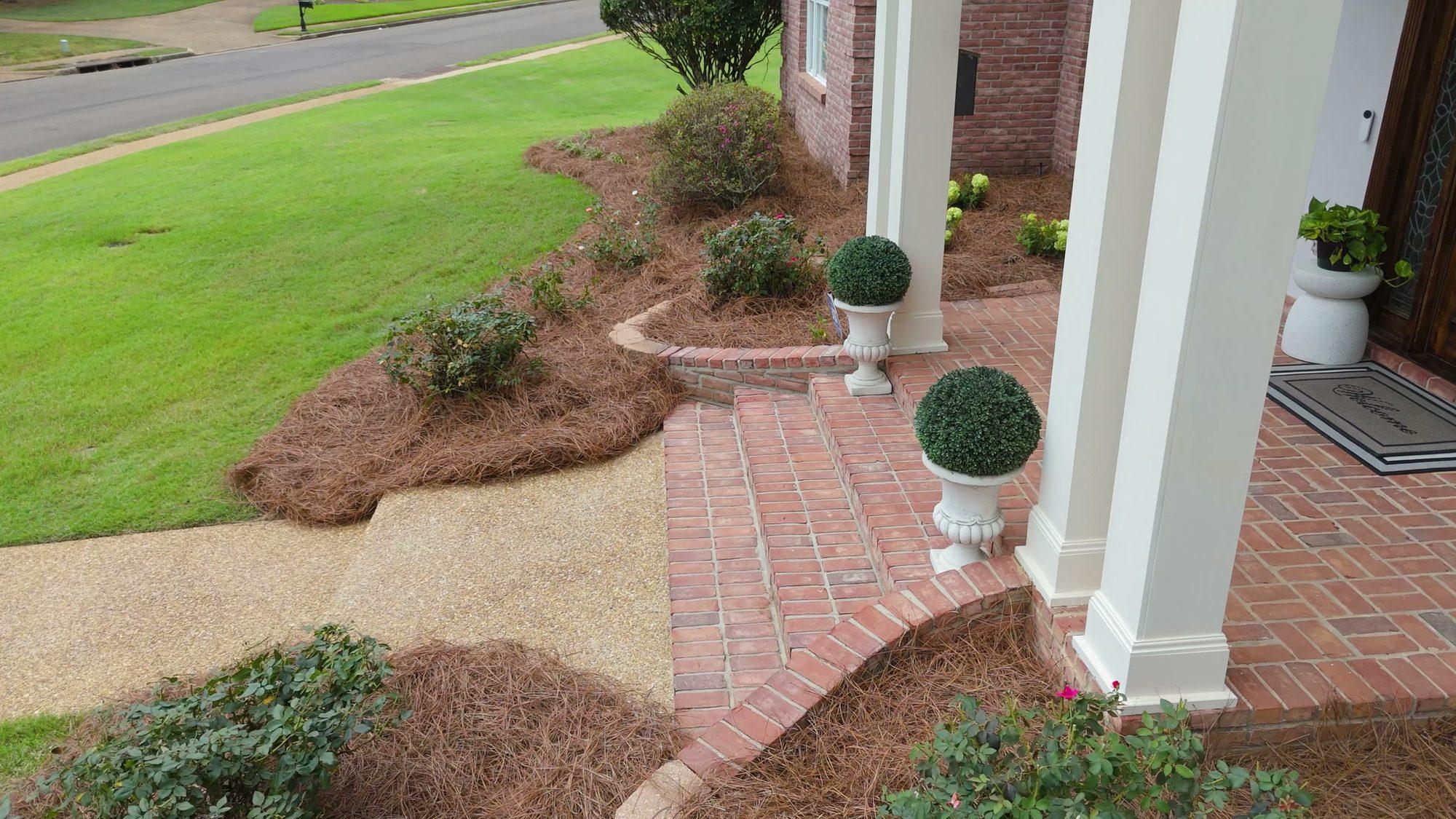
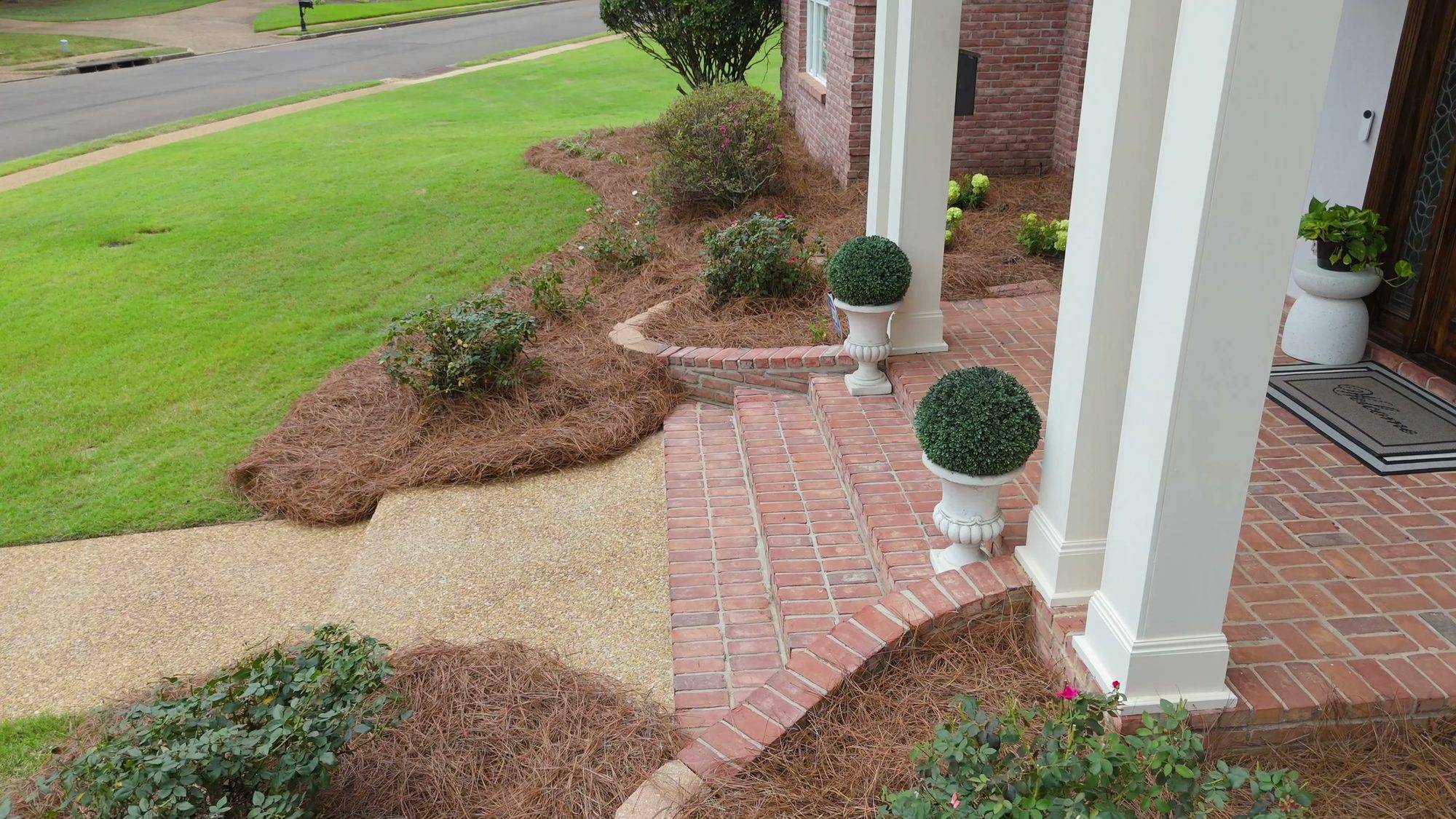
The front walk gets used more than any other hardscape on the property, and it's usually the most neglected. A builder walk is often three feet of cracked concrete poured straight to the door. A paver walk four to five feet wide with a gentle curve and a wider pad at the entry changes how the house looks from the street. We tie it into the driveway, add lighting if you want it, and grade it so water runs off and doesn't pool at the door.
Retaining walls
Brandon's Red Hills lots, the hillside neighborhoods around the Reservoir in Ridgeland, and plenty of Madison yards have slopes that eat usable space and shed water toward the house. A retaining wall fixes both.
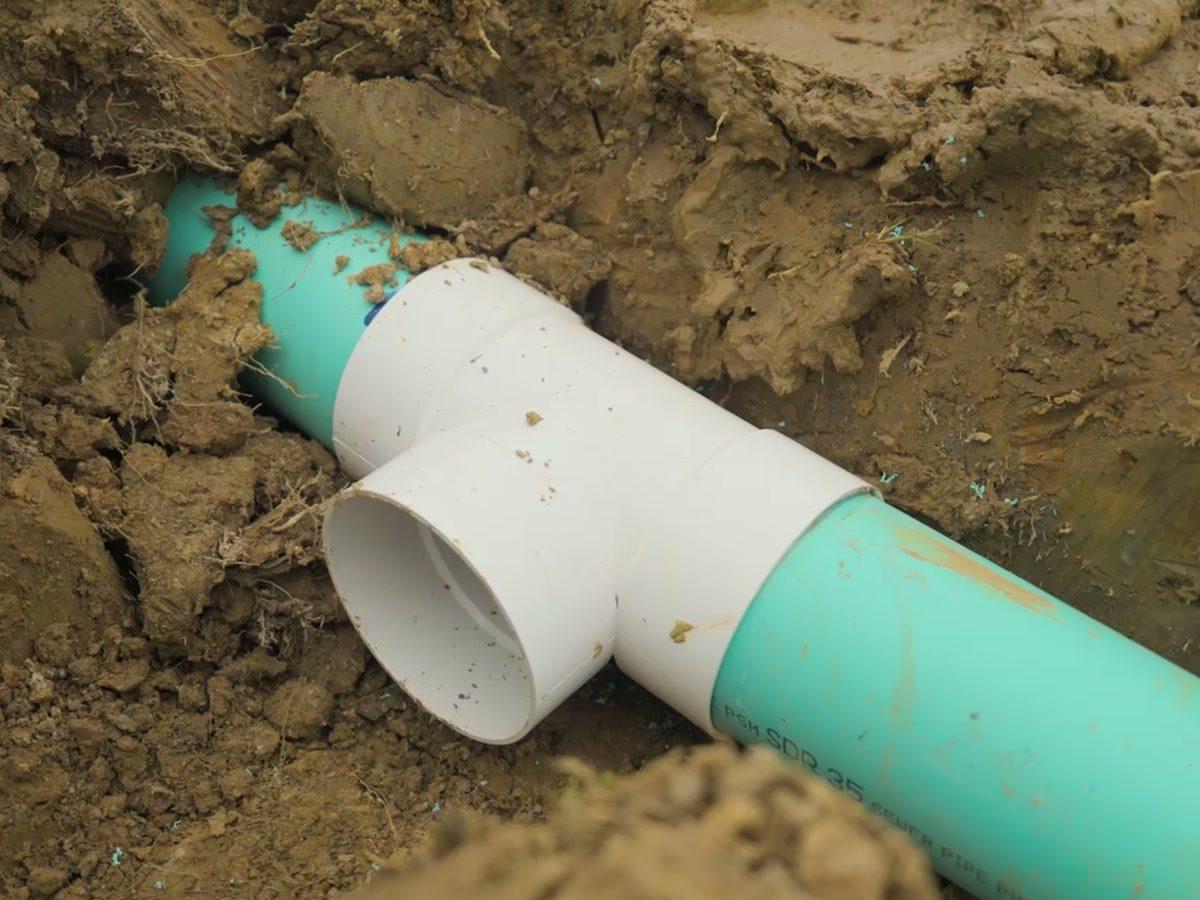
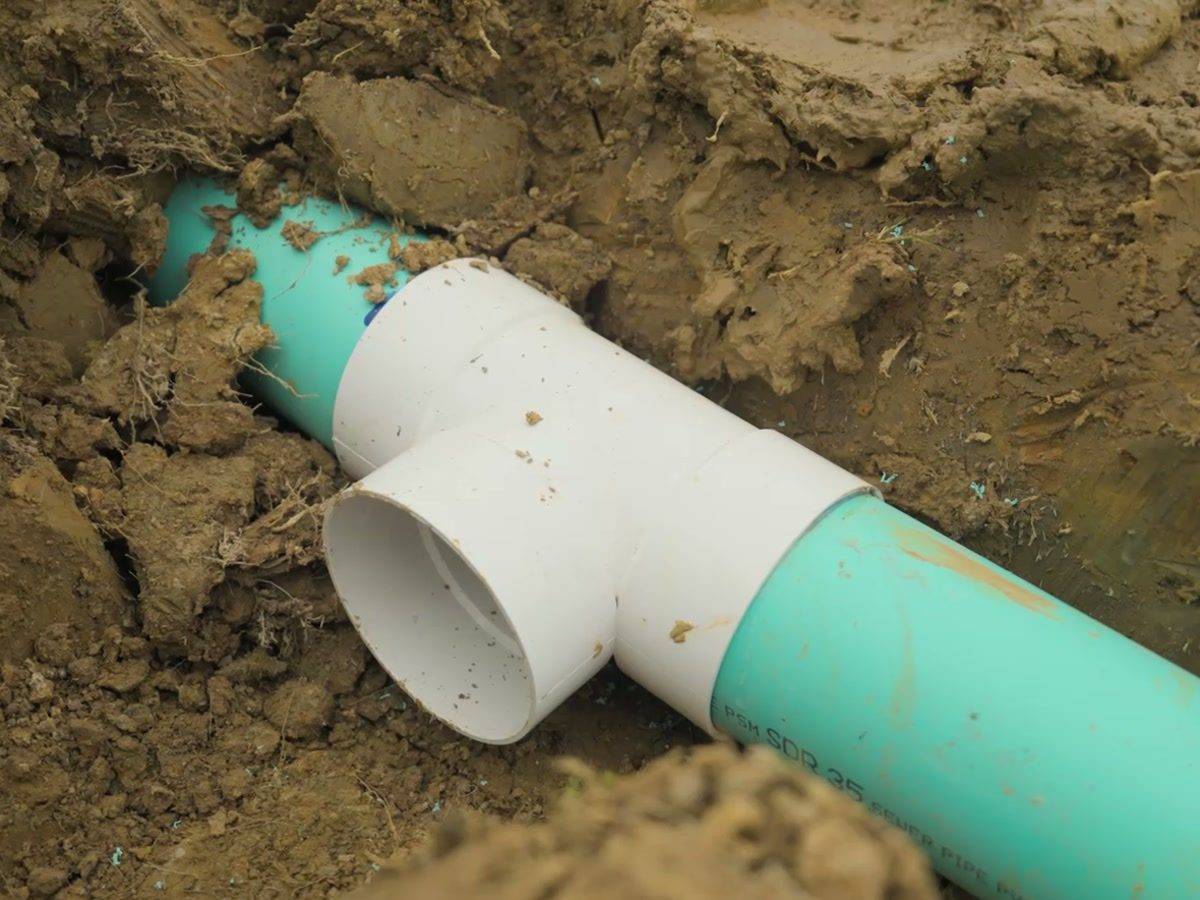
We build segmental block walls on a gravel base with a level first course, gravel backfill, perforated drain pipe behind the wall run to a safe outlet, and geogrid reinforcement on anything over about four feet. We build natural stone and timber walls where the look calls for them. Anything tall or holding up a structure gets an engineer's design, and we'll tell you when that's required.
Decorative rock, steps and edging
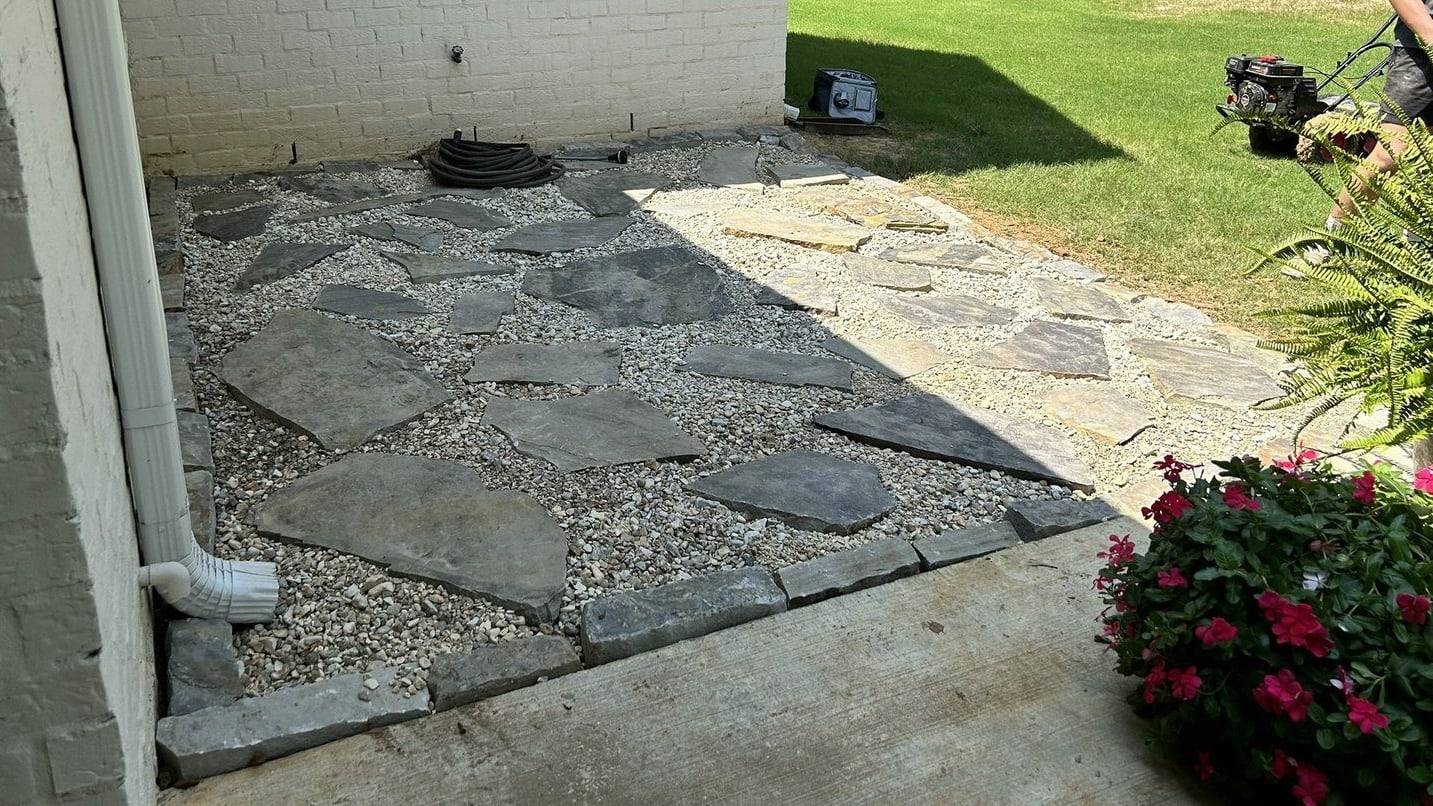
Gravel and river rock beds, dry creek beds that double as drainage, stone steps on a slope, and steel or stone bed edging are the smaller jobs that make a property look finished. A dry creek bed fixes standing water on a lot of Madison lots, and it looks like it was always there.
Drainage designed in, not added later
Every hardscape job starts with where the water goes. Patios are pitched away from the house. Channel drains go in where a patio meets a door. Walls get drain pipe. Downspouts are routed under the patio to daylight so they don't dump on top of it. Skip this step and you get what a lot of patios around here have: a pond in the corner.
Commercial hardscape
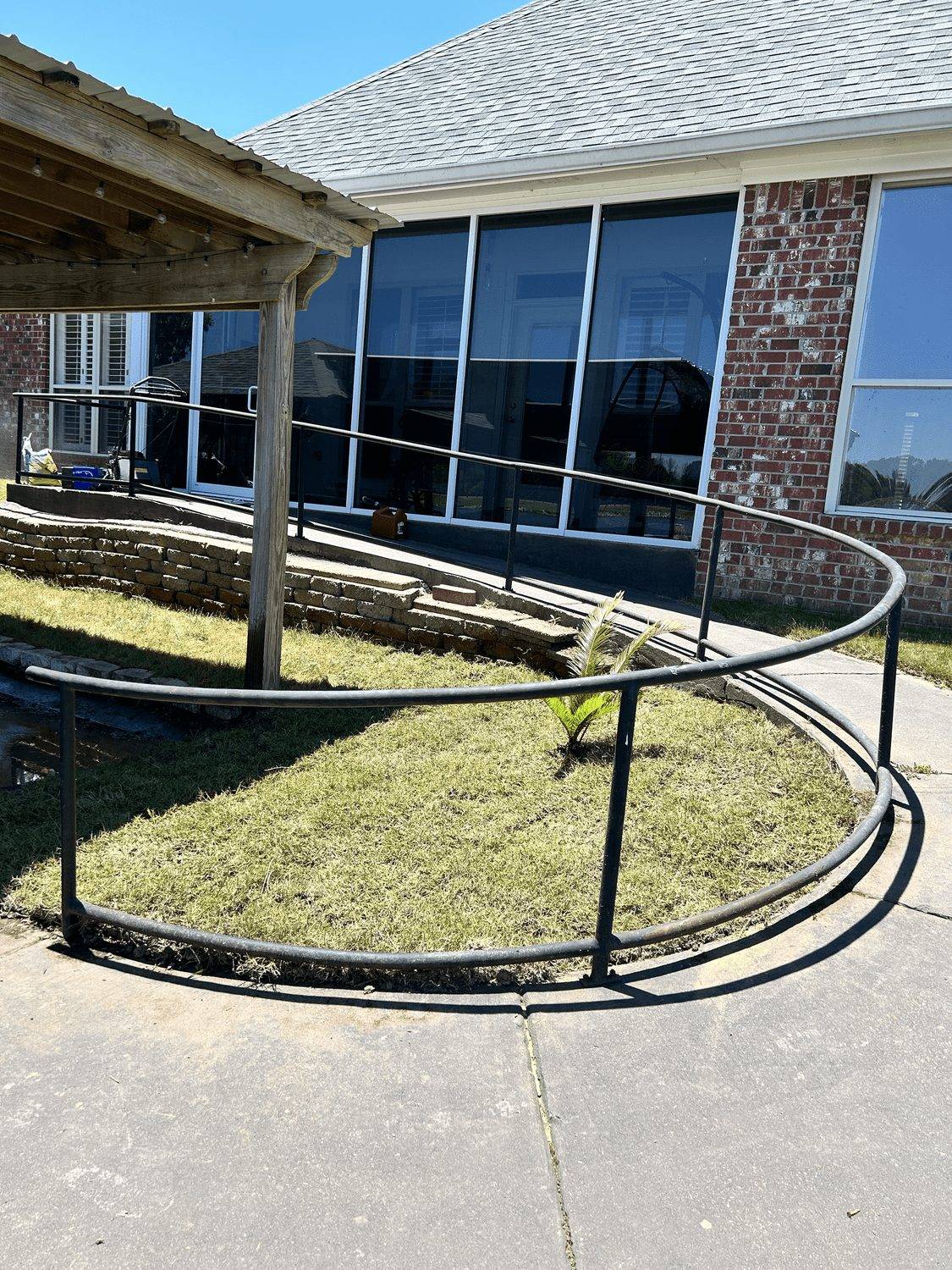
Entry plazas, walkways, seating areas and retaining walls for churches, offices and HOA entrances in Madison and Ridgeland. Same base standards, ADA-conscious slopes where required, scheduled around your hours.
How a hardscape project runs
First comes layout and excavation. We paint the shape, have utilities located, and dig to base depth. The spoil gets hauled off, not piled on the lawn. Then base and compaction: fabric down, gravel brought in and compacted in three-inch lifts. This is the slow part, and it decides whether the patio lasts.
Bedding sand, laying and cutting come next, then edge restraint, polymeric sand and a final pass with a padded compactor so the pavers don't scuff. Walls run about the same way, starting with a level first course. We keep the site clean and lay mats where the wheelbarrow runs to protect the lawn.
You get a written care sheet: go easy with the pressure washer, re-sand the joints every few years, and call us if anything ever moves. It shouldn't. If it does, we come look at it.